Category Processes & Technologies

Desalination Brine Management & Zero Liquid Discharge (ZLD) in the Gulf: Outfall Diffusers, Brine Mining and MVR
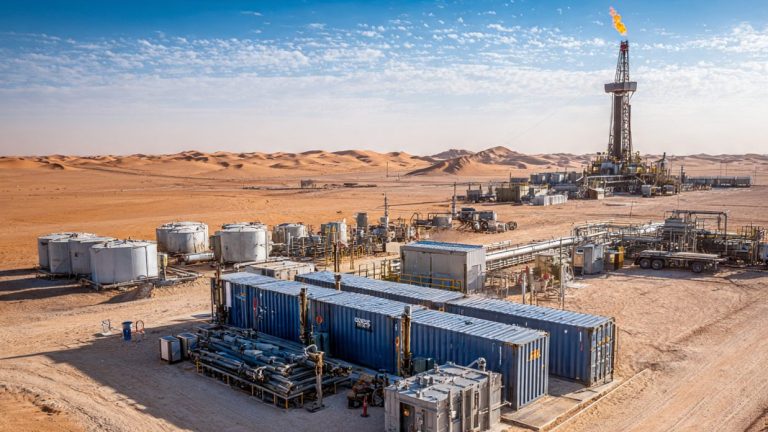
Desert industrial facility at sunset

The Arabian Gulf receives roughly half of the world's seawater desalination brine discharge (>70 million m³/day globally), typically at 1.5 to 2.0 times ambient seawater salinity (TDS 65,000–85,000 mg/L). Managing marine and inland brine impacts requires multi-port hydrodynamic outfall diffusers for coastal SWRO plants, and Minimum/Zero Liquid Discharge (MLD/ZLD) systems—using High-Pressure RO, Electrodialysis, Mechanical Vapour Recompression (MVR) evaporators, and crystallisers—for inland industrial and landfill leachate concentrates.
Treated Sewage Effluent (TSE) Reuse in the Gulf: District Cooling, Landscape Irrigation and Industrial Standards

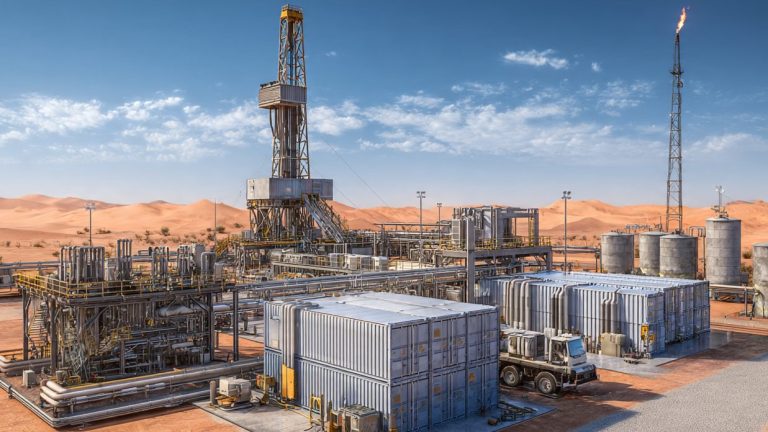
Desert process facility with storage tanks

Treated Sewage Effluent (TSE)—municipal wastewater polished through tertiary sand/membrane filtration and chlorine/UV disinfection—is a cornerstone circular water resource in the UAE and GCC. Substituting TSE for desalinated potable water in urban landscape irrigation, district cooling towers, concrete batching, and dust suppression saves ~3.5 to 4.5 kWh/m³ of desalination energy and aligns with the UAE Water Security Strategy 2036 target of 95% treated wastewater reuse.

Produced Water & Oilfield Liquid Waste Management in the GCC: Hydrocyclones, IGF, NORM and Deep-Well Injection

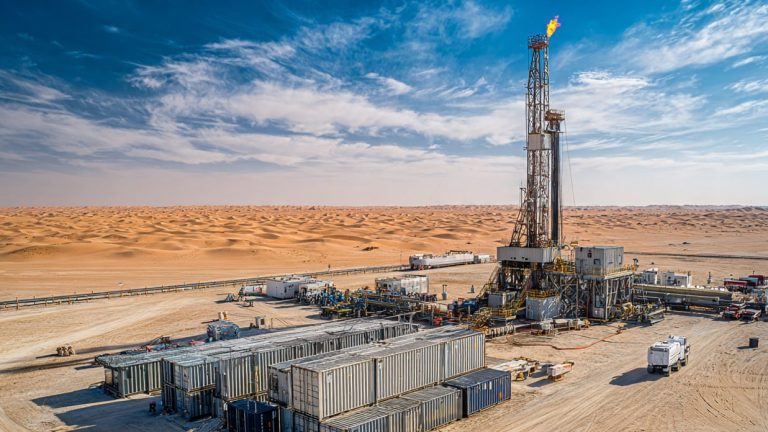
Desert drilling site with process facilities

Produced water is the largest by-product stream by volume in the Gulf oil and gas sector, often exceeding 3 to 5 barrels of hypersaline water (TDS 50,000 to >250,000 mg/L) per barrel of crude oil in mature reservoirs. Sustainable management requires three-phase separation, deoiling via liquid-liquid hydrocyclones and Induced Gas Flotation (IGF), ceramic/nutshell filtration, NORM (Naturally Occurring Radioactive Material) scale screening, and closed-loop Produced Water Re-Injection (PWRI) for reservoir pressure maintenance.

Sludge Dewatering, Drying and Thermal Valorisation: Belt Presses, Centrifuges, Solar and Thermal Dryers

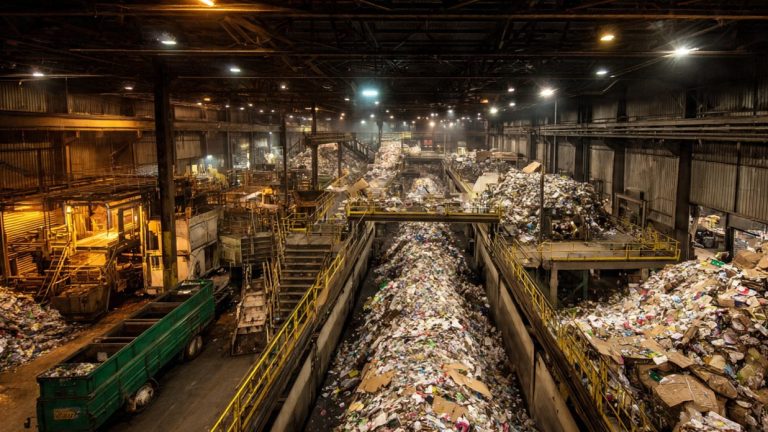
Industrial waste processing hall

Liquid sludges from municipal wastewater treatment plants (WWTPs) and industrial effluent plants contain 95% to 99% water by mass. Mechanical dewatering (via decanter centrifuges, screw presses, or filter presses) raises dry solids (DS) to 18%–30%, while solar greenhouse drying or indirect thermal drying achieves 75%–92% DS—slashing transport mass by up to 80% and enabling pathogen-free Class A biosolids or self-sustaining energy recovery in Waste-to-Energy and cement kilns.

Industrial Wastewater Treatment in Waste & Recovery Facilities: Equalization, DAF, Biological and Membrane Systems

Lined drainage channel on a waste site

Waste management facilities—including plastics wash plants, anaerobic digesters, composting halls, vehicle wash bays, and hazardous waste transfer stations—generate high-strength industrial trade effluents rich in suspended solids, oils, surfactants, COD, and ammonia. Meeting UAE and GCC sewer discharge or irrigation reuse limits requires a multi-stage treatment train combining screening, Equalization, Dissolved Air Flotation (DAF), biological treatment (MBR/MBBR), and tertiary filtration.