

E-Waste Disposal in the GCC: Where & How to Recycle Electronics
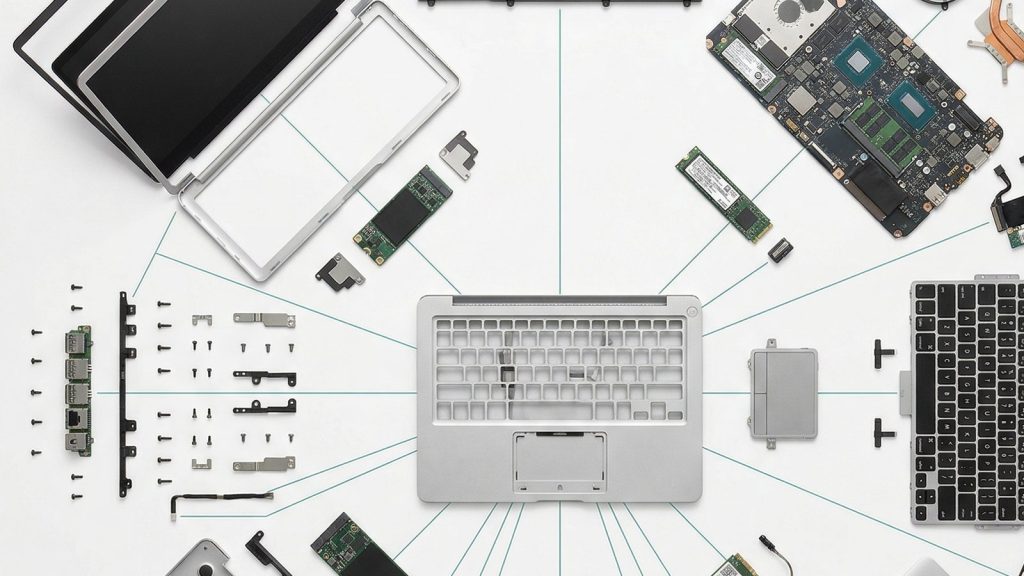
In short: Electronic waste — discarded phones, laptops, tablets, televisions, kitchen appliances, cables, batteries, and all manner of electronic devices — is the world’s fastest-growing waste stream, increasing by 3–5% annually. The GCC, with its high-income population and strong appetite for technology upgrades, generates e-waste at significantly above-average global rates.
The average Gulf consumer replaces their smartphone every 2–3 years and upgrades their laptop every 3–4 years. Each discarded device contains: recoverable precious metals (gold, silver, palladium), valuable base metals (copper, aluminium), and hazardous materials (lead, mercury, cadmium, flame retardants) that cause serious environmental and health harm if improperly managed. Why E-Waste Cannot Go in the General Waste Bin E-waste in a mixed waste bin ends up in landfill or WtE — neither of which is appropriate. In landfill, leaching of heavy metals from circuit boards and batteries contaminates groundwater. In WtE, combustion of circuit boards releases toxic compounds including dioxins and heavy metals. The hazardous content of e-waste is the primary reason it requires dedicated collection and specialist processing — and the reason that informal e-waste recycling (dismantling devices without protective equipment in open yards) creates severe occupational health and environmental pollution consequences. Where to Recycle E-Waste in the GCC
- UAE: Tadweer and Dubai Municipality operate dedicated e-waste drop-off points at major recycling centres, selected supermarkets, and electronics retailers. Enviroserve (Dubai) operates UAE’s largest e-waste processing facility.
The UAE Ministry of Climate Change runs a WEEE take-back programme. Many mobile phone retailers (Virgin Mobile, Etisalat, Du) offer phone trade-in and recycling.
- Saudi Arabia: MWAN’s WEEE programme is developing formal e-waste collection infrastructure. E-waste collection events (collection days at malls and community centres) are operated by environmental NGOs and municipality partners.
- Qatar: E-waste management involves the Ministry of Environment and Climate Change (MoECC), the Ministry of Municipality and licensed recyclers; verify current public drop-off arrangements with these bodies. Tetra Tech Geo and other specialist operators provide corporate e-waste management.
Data Security Before E-Waste Disposal Before disposing of any device containing personal data — smartphones, laptops, tablets, hard drives — ensure complete data deletion. For older or unencrypted devices a factory reset may not fully sanitise data; ensure encryption is enabled before reset, or follow NIST SP 800-88 / IEEE 2883 sanitisation methods (e.g. DBAN for hard drives, secure erase for SSDs) or use a certified ITAD (IT Asset Disposal) service that provides data destruction certificates. Qualifrost advises corporate clients on certified ITAD programmes that combine data security with responsible e-waste recycling.
References
Show all 2 sources
- Forti, V. et al. (2020). The Global E-waste Monitor 2020. Bonn: UNU.
- Tadweer (2022). E-Waste Collection Programme. Abu Dhabi: Tadweer.