

Plastic-Free Living in the Gulf: Practical Alternatives
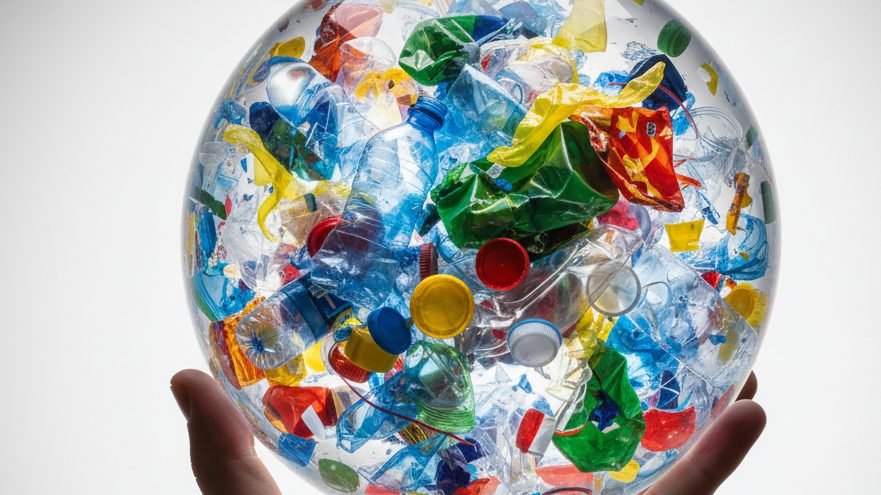
In short: Single-use plastics dominate daily life in the GCC — plastic bags, disposable water bottles, takeaway containers, coffee cups, straws, cutlery, cling film, and countless other items used once and discarded. The environmental consequences are severe: plastic pollution in the Arabian Gulf threatens marine ecosystems, microplastics enter the food chain through Gulf seafood, and plastic waste in desert environments persists for centuries.
Reducing single-use plastic consumption is both personally achievable and collectively transformative. This guide offers practical alternatives for Gulf residents and businesses. The Scale of Gulf Plastic Consumption The GCC consumes single-use plastics at rates significantly above global averages. Before the 2024 nationwide ban, the UAE was widely estimated to use around 11 billion plastic bags a year. This figure is often cited but dated, so verify it against current MoCCaE data before relying on it. Plastic water bottle consumption is driven by the reliance on bottled water as the primary drinking water source for many households and the extreme outdoor temperatures that make carrying hydration essential. The combination of these factors creates a particularly challenging single-use plastic reduction context. Practical Alternatives
- Reusable water bottles: Investing in a high-quality insulated stainless steel or BPA-free reusable bottle eliminates hundreds of disposable plastic water bottles per year per person. In the Gulf’s heat, an insulated bottle that keeps water cold for 12+ hours is both environmentally responsible and practically superior to disposable alternatives.
- Reusable bags: Keeping cloth, canvas, or recycled plastic reusable bags in your car (essential in a car-centric culture), bag, and at office means they are available for every shopping trip. Under Ministerial Resolution No. 380 of 2022, single-use plastic shopping bags have been banned across the UAE since 1 January 2024, so carrying your own bag is now a practical necessity; some retailers charge for reusable bags.
- Reusable coffee cup: Carrying a KeepCup or similar reusable travel cup eliminates disposable coffee cups — the majority of which (due to their polyethylene lining) cannot be recycled in standard UAE recycling streams.
- Refusing straws and disposable cutlery: A simple refusal at the point of ordering eliminates these items from your waste stream entirely. Most Gulf restaurants now offer paper straws as a default — confirm your preference.
- Choosing loose produce over pre-wrapped: Where available, selecting unwrapped fresh fruit and vegetables eliminates produce packaging. Gulf Policy Context GCC states are progressively introducing single-use plastic bans and levies: the UAE has banned single-use plastic bags nationwide since 1 January 2024 (Ministerial Resolution No. 380 of 2022), with the ban extending to further single-use plastic items such as cups, lids, cutlery, plates, straws, stirrers and certain food containers from 1 January 2026 (verify the current product list against MoCCaE); Saudi Arabia is developing a single-use plastics regulation; Qatar implemented measures before and during the World Cup.
These regulatory signals create commercial incentive for businesses to transition to alternatives and should be supported by consumer choices.
References
Show all 2 sources
- UNEP (2021). From Pollution to Solution: A Global Assessment of Marine Litter and Plastic Pollution. Nairobi: UNEP.
- MoCCaE UAE (2023). UAE Single-Use Plastics Policy. Abu Dhabi.