

Waste Audit Toolkit: Step-by-Step Guide for Businesses & Facilities
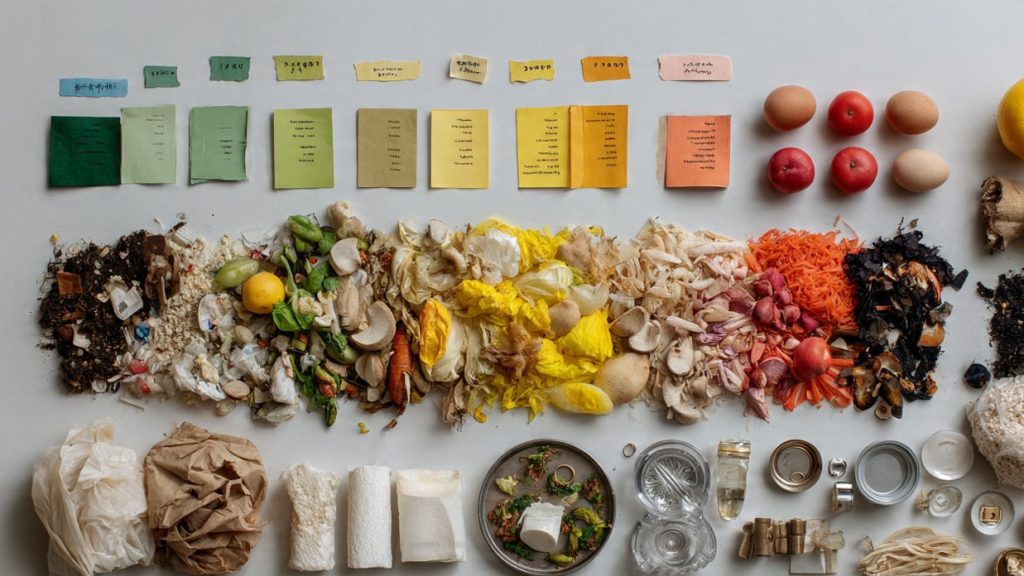
In short: A waste audit is the most valuable tool a business or facility manager can deploy to understand, control, and improve their waste performance. It reveals exactly what waste is being generated, in what quantities, by which activities, and therefore where the most significant reduction and recycling opportunities lie.
This toolkit provides a step-by-step methodology for conducting a waste audit in a Gulf business or facility context — from planning and sampling through to results analysis and action planning. Preparing for Your Waste Audit
- Define scope: What areas, waste streams, and time period will be covered? A meaningful audit covers a representative operational period — at least five working days.
- Assemble equipment: Weighing scale (minimum 50kg capacity), cut- and puncture-resistant gloves (e.g. EN 388 rated) worn over or instead of disposable gloves, safety glasses, closed-toe safety footwear, coveralls or aprons, face masks, a rigid sharps container, a first-aid kit, hand-washing facilities, tarpaulin or sorting table, sorting category labels (printed in relevant languages), data recording sheets or tablet. Complete a task risk assessment before sorting. It should cover sharps, biological hazards and heat stress (shade, hydration, work-rest cycles), in line with the applicable emirate OSH requirements. Seek occupational health advice on vaccinations for staff handling waste.
- Brief staff: Inform all staff in the audited area about the audit, its purpose, and what will happen to the waste. Engagement at this stage often reveals valuable information about waste causes that data alone cannot capture. Conducting the Audit
- Step 1 — Collect: Weigh and record total waste (before sorting) from each waste stream (general waste bin, recycling bin, food waste if separate) for each day of the audit period.
- Step 2 — Sort: Take a representative sample from the general waste bin (minimum 30kg, randomly selected from multiple bags) and sort it manually into pre-defined categories: food/organic, dry recyclables (paper, cardboard, plastic, metal, glass), WEEE (with hazardous components such as batteries flagged), suspected hazardous items, and residual/non-recyclable. Do not open containers of unknown chemicals, and do not handle clinical or sharps waste. Note and isolate suspected hazardous items such as leaking batteries, aerosols and chemicals. Record them by count or estimated weight, and arrange disposal through a licensed hazardous waste contractor.
- Step 3 — Weigh by category: Weigh each sorted category and record. Calculate the composition (% by weight of each category) and the estimated annual tonnage of each category based on the daily average.
- Step 4 — Photograph and document: Take photographs of the sorted categories for the audit report. Note any specific waste items that are surprising, disproportionately large, or preventable.
Analysing Results and Setting Targets The audit outputs a waste composition profile and generation rate — the baseline from which targets are set. Key questions: What is the current diversion rate (% going to recycling vs disposal)? What is the largest preventable waste category? What is the potential diversion rate if all technically recyclable materials were correctly segregated? Qualifrost’s waste audit analysis template automatically calculates these metrics and generates a prioritised action plan. Qualifrost Audit Template: Download the Qualifrost Waste Audit Toolkit from our Tools library — includes data collection sheets, calculation spreadsheet, photographic log template, and action plan framework. Available in English and Arabic.
- 1PlanSet objectives, scope and safe working arrangements
- 2SampleCollect representative samples across the period
- 3Sort and weighSeparate into categories and record weights
- 4AnalyseExtrapolate to annual quantities and composition
- 5ActTarget the biggest prevention and recycling opportunities
- 6Re-measureRepeat to track progress
References
Show all 2 sources
- CIWM (2021). Waste Audit Guidance Note. Northampton: CIWM.
- WRAP (2020). How to Conduct a Waste Audit. Banbury: WRAP.