
Essential Waste Management Reading List: Books, Reports & Journals

A curated, annotated list of textbooks, reports, BREFs and journals for waste management professionals in the GCC, with notes on how relevant each resource is to Gulf practice.

A curated, annotated list of textbooks, reports, BREFs and journals for waste management professionals in the GCC, with notes on how relevant each resource is to Gulf practice.
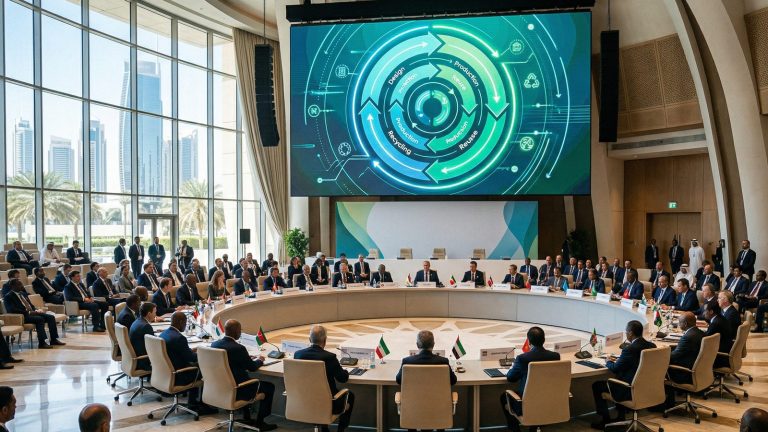
Maps the main international waste management organisations and professional bodies, including ISWA, CIWM, UNEP, WRAP and the World Bank, and shows which to consult for guidance, standards and benchmarks relevant to GCC practice.

Maps career pathways in GCC waste management across engineering, environmental science and commercial roles, with indicative UAE salary ranges and the professional qualifications employers value, including CIWM, IEMA, NEBOSH and CEng.
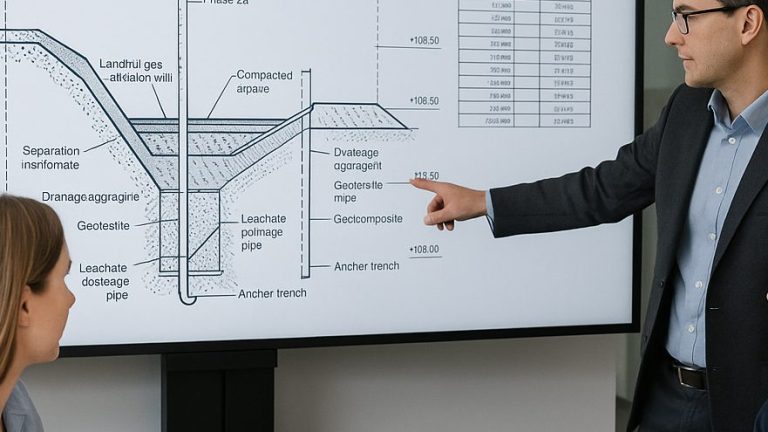
Covers the principles behind Qualifrost's advisory work: technical rigour, GCC contextualisation, vendor independence and practical deliverables. Also outlines the five service lines, from technical and regulatory to commercial advisory and data analytics.
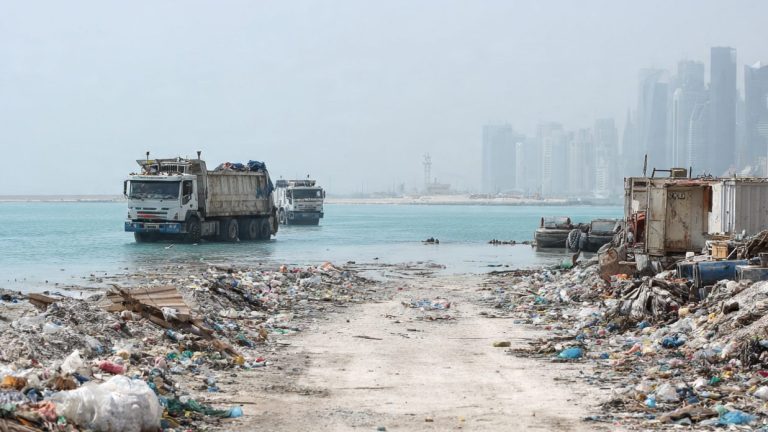
How the UNEP Global Plastics Treaty could affect GCC petrochemical producers and waste management systems, from production limits and virgin plastic levies to recycling targets, EPR and infrastructure obligations.

Explains how COP28 outcomes and the UAE Net Zero 2050 initiative affect the waste sector, covering landfill methane, diversion targets, WtE and organics. Also outlines what the policy signals mean for regulation, carbon pricing and green finance.

Six trends shaping Gulf waste management to 2030: WtE scale-up, EPR implementation, advanced recycling, digital and AI tools, food waste priorities and circular economy mainstreaming.

A reference directory of the main waste technology suppliers active in the GCC. It covers collection vehicles, smart bins, NIR sorters, balers, composting and AD equipment, WtE grate systems and air pollution control.

Maps the main waste management operators in the GCC, from national and quasi-government bodies such as Tadweer, Bee'ah and MWAN contractors to international firms and technology vendors, and shows how the market is structured.

A walkthrough of the eight-stage EAD environmental permit process for waste facilities in Abu Dhabi, from pre-application and EIA scoping to the operating licence, with the key documents required and pointers to Saudi Arabia.