
The London Protocol: Dumping of Waste at Sea
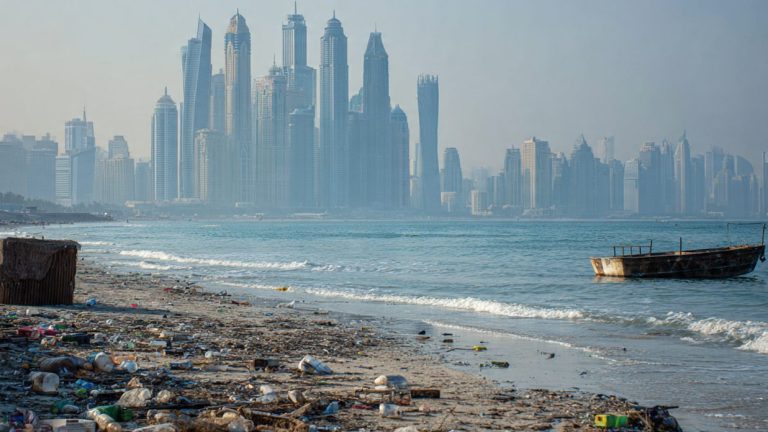
Explains how the London Protocol prohibits dumping at sea except for a short reverse list, how permits and the Waste Assessment Framework work, and where the Protocol differs from MARPOL.
Explains how the London Protocol prohibits dumping at sea except for a short reverse list, how permits and the Waste Assessment Framework work, and where the Protocol differs from MARPOL.

Covers the INC mandate, why INC-5.2 in Geneva ended without consensus, the February 2026 election of a new Chair at INC-5.3, and what operators should plan for while no binding plastics treaty exists.
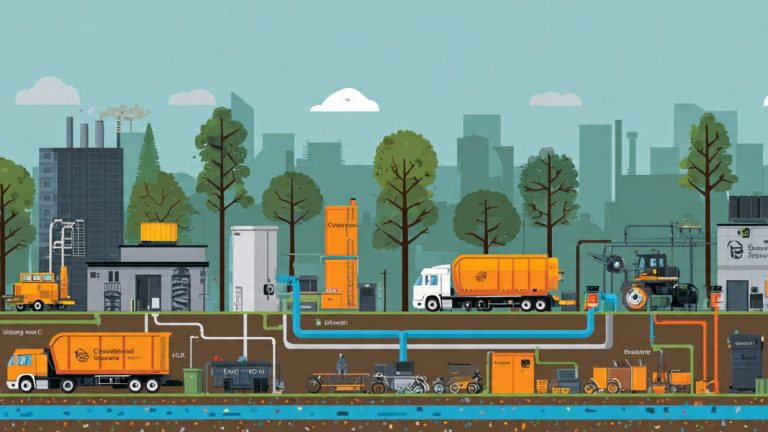
Sets out the waste-related targets under SDGs 11, 12, 13, 14 and 15, the indicators that measure them, where the data is weakest, and how Abu Dhabi and Dubai diversion programmes map onto them.

Explains how waste emissions are accounted for under the Paris Agreement, why landfill methane dominates, how the sector enters NDCs, and what arid-climate parameters and UAE diversion targets mean for national inventories.
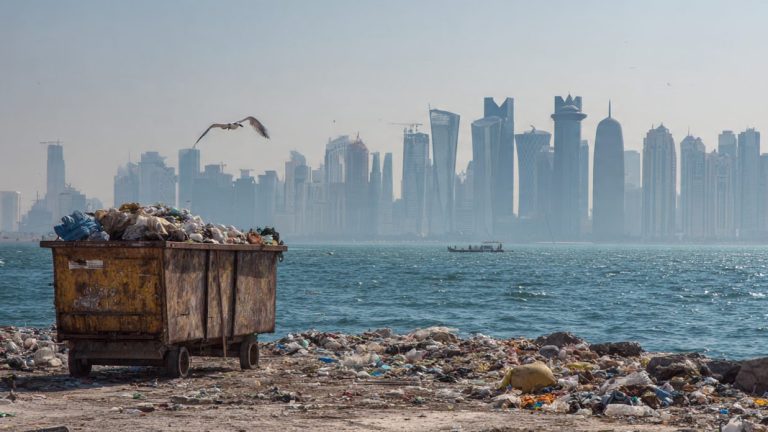
Sets out MARPOL's six annexes and the Annex V garbage categories A to K, the plastics ban, food waste discharge distances, the Gulf's Special Area status, Garbage Record Book duties and the port reception facility obligation.

Covers the Minamata Convention's life cycle controls on mercury, the Annex A phase-outs, the COP-6 dental amalgam decision for 2034, the Article 11 waste thresholds, and what they mean for waste operators.
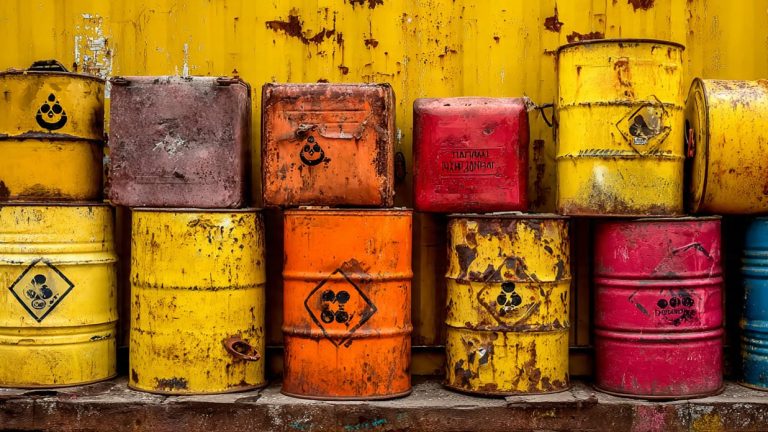
Explains how Annex III listing and the Chemical Review Committee process work, why consensus deadlock has blocked chemicals such as chrysotile asbestos, and what COP-12 decided in 2025.
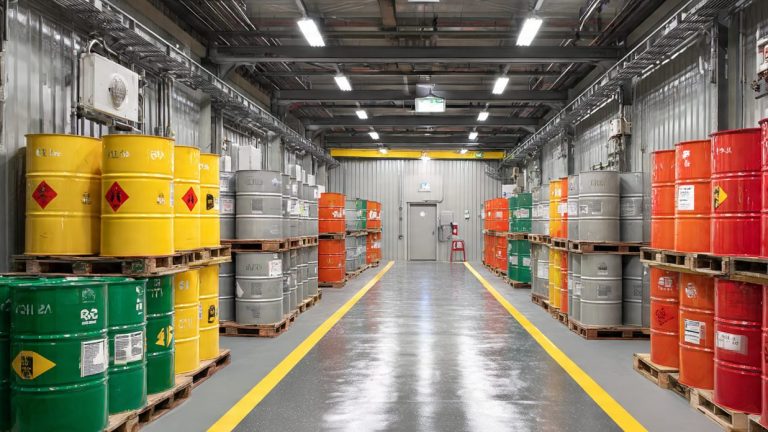
Explains how the Basel Convention controls hazardous waste movements through Prior Informed Consent and the Annex classification system. Covers the plastic and e-waste amendments, the Ban Amendment and how they apply to UAE operators.
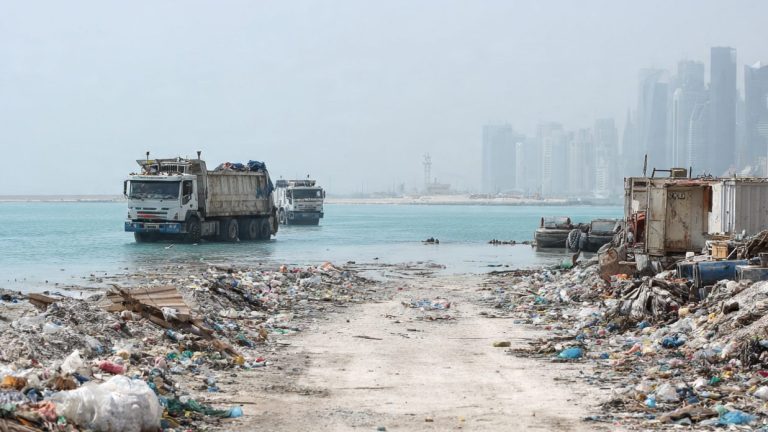
How the UNEP Global Plastics Treaty could affect GCC petrochemical producers and waste management systems, from production limits and virgin plastic levies to recycling targets, EPR and infrastructure obligations.