

Global Plastics Treaty: What It Means for the GCC
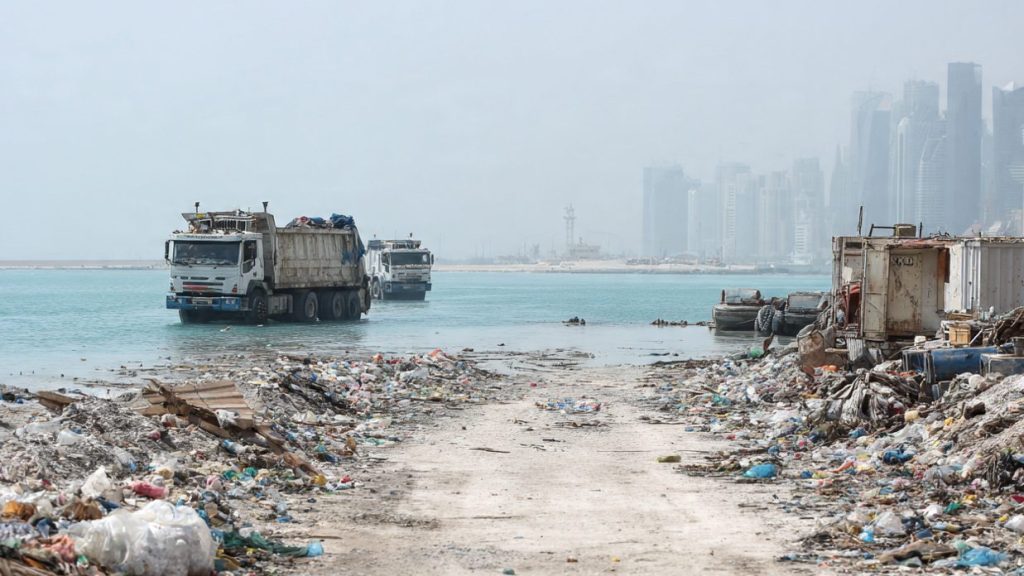
In short: The Intergovernmental Negotiating Committee (INC) for a Global Plastics Treaty — convened under UNEP since March 2022 — is negotiating a legally binding instrument on plastic pollution. However, talks did not conclude at INC-5 (Busan, November–December 2024) or at the resumed session INC-5.2 (Geneva, August 2025), and no treaty text has yet been adopted. Check the UNEP INC website for the current status. A binding global treaty to end plastic pollution would have profound implications for the GCC: as a major producer of the petrochemical feedstocks used to make plastic, as a region with high per-capita plastic consumption, and as a group of states committed to both economic development and environmental leadership.
Understanding the treaty’s trajectory and its likely implications for the Gulf’s plastics value chain is essential strategic intelligence. What the Global Plastics Treaty Is Seeking to Address The treaty negotiations are addressing the full lifecycle of plastics: upstream (reduction of primary plastic production, elimination of problematic plastic types and additives), midstream (design for recyclability, mandatory recycled content requirements, EPR for plastic packaging), and downstream (improved waste management infrastructure, particularly in developing countries where plastic pollution is most acute, with some delegations proposing financing through a fee on primary polymer production, which has not been agreed and is strongly opposed by producer states). Options under negotiation include commitments on plastic waste management, recycling rates and restrictions on specific chemicals of concern. Whether these will be binding global obligations or nationally determined measures remains contested. Implications for GCC Petrochemicals The GCC’s major petrochemical producers — SABIC, ADNOC, Borouge, EQUATE, SIPCHEM — are among the world’s largest producers of polymer feedstocks. A treaty that restricts primary plastic production or imposes levies on virgin plastic would directly impact these producers’ commercial models. At government level, Saudi Arabia, Kuwait and some other GCC states have been prominent in the ‘Like-Minded Group’ of countries. This group opposes caps on primary plastic production and favours a treaty focused on waste management and downstream measures. GCC petrochemical companies have also engaged in the treaty process and publicised investment in recycled content programmes, chemical recycling and circular polymer products, positioning themselves as part of the solution. Specific investment claims should be verified against company disclosures (e.g. the SABIC position paper cited below). Implications for GCC Waste Management Draft texts under negotiation include provisions on waste management. If a treaty is adopted and ratified, Parties could be required to meet minimum plastic waste management standards, potentially covering waste management infrastructure, collection systems and recycling rates. For GCC states with ambitious waste management transformation already underway (UAE, KSA), treaty obligations would likely represent additional acceleration of existing plans. For states with less developed infrastructure, the treaty could drive significant new investment and technical assistance flows.
References
Show all 2 sources
- UNEP (2023). Negotiating Process for a Global Agreement on Plastic Pollution — INC-3 Report. Nairobi: UNEP.
- SABIC (2023). Global Plastics Treaty — SABIC Position Paper. Riyadh: SABIC.