

UAE Medical & Healthcare Waste Regulation: Cabinet Resolution 39/2021, DoH Abu Dhabi and DHA/DM Standards
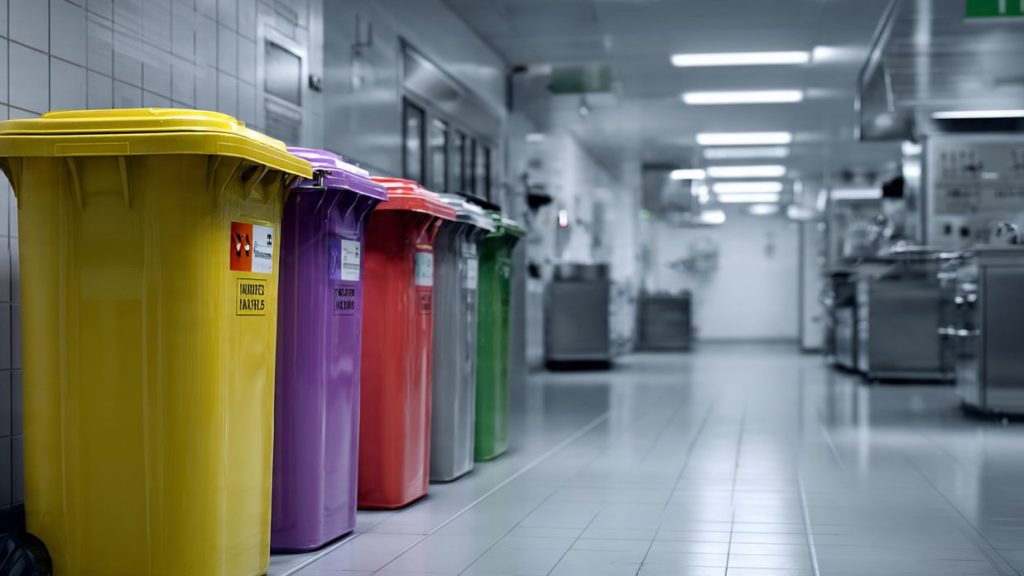
In short: Medical and healthcare waste in the UAE is regulated under Federal Law No. (12) of 2018, Cabinet Resolution No. (39) of 2021, Cabinet Decision No. (37) of 2001, and emirate health/environmental authorities (DoH/EAD in Abu Dhabi; DHA/Dubai Municipality in Dubai; MOHAP/BEEAH in Sharjah and the Northern Emirates). Facilities must enforce strict colour-coded point-of-generation segregation (typically Yellow for infectious waste and sharps, with separately colour-coded containers for anatomical, cytotoxic, pharmaceutical and chemical waste as specified by the relevant emirate authority, and Black for domestic) and refrigerated storage prior to autoclave or rotary-kiln incineration.
Key facts
- Yellow bags/sharps boxes are typically required for infectious clinical waste and sharps; anatomical, cytotoxic, chemical and pharmaceutical waste require separate colour-coded containers, which differ between emirates (verify against the current DoH Abu Dhabi or Dubai Municipality healthcare waste standard).
- Untreated infectious medical waste in the Gulf climate must be stored in refrigerated, locked rooms (≤4°C–8°C) if held >24 hours (verify against the applicable emirate healthcare waste standard).
- Infectious sharps and cultures require validated steam sterilisation cycles (typically 121°C for at least 30 minutes, or 134°C for a shorter validated hold, at the corresponding saturated-steam pressure; load type and size affect the required time) with routine biological indicator testing (e.g. Geobacillus stearothermophilus), or dual-chamber incineration (≥850°C/1,100°C); verify cycle and incineration parameters against the applicable authority standard.
- Cytotoxic drugs, anatomical waste, and pharmaceuticals must be treated by high-temperature incineration, not autoclaved (confirm the treatment route with the competent authority).
Plain English — the essentials, in everyday language
Plain English
What this topic covers and why it matters in practice
Medical and healthcare waste in the UAE is regulated under Federal Law No. (12) of 2018, Cabinet Resolution No. (39) of 2021, Cabinet Decision No. (37) of 2001, and emirate health/environmental authorities (DoH/EAD in Abu Dhabi; DHA/Dubai Municipality in Dubai; MOHAP/BEEAH in Sharjah and the Northern Emirates). Facilities must enforce strict colour-coded point-of-generation segregation (typically Yellow for infectious waste and sharps, with separately colour-coded containers for anatomical, cytotoxic, pharmaceutical and chemical waste as specified by the relevant emirate authority, and Black for domestic) and refrigerated storage prior to autoclave or rotary-kiln incineration.
How the four-stage operational pathway works
To apply this guidance reliably, project teams and students should follow four sequential stages: (1) 1. Point-of-Care Colour Segregation (Infectious / Sharps / Cytotoxic, per Emirate Colour Code); (2) 2. Refrigerated Secure Storage (≤8°C, Biohazard Signage, Spill Kit); (3) 3. Refrigerated GPS Carrier & E-Manifest (Bolisaty / DM WDS); and (4) 4. Autoclave + Shredding or Dual-Chamber Incineration (1,100°C). Each stage has a clear verification check before moving to the next.
Professional layer — engineering, operations & compliance detail (click to expand)
Professional
Engineering, Regulatory & Quality-Control Requirements
Yellow bags/sharps boxes are typically required for infectious clinical waste and sharps; anatomical, cytotoxic, chemical and pharmaceutical waste require separate colour-coded containers, which differ between emirates (verify against the current DoH Abu Dhabi or Dubai Municipality healthcare waste standard). Untreated infectious medical waste in the Gulf climate must be stored in refrigerated, locked rooms (≤4°C–8°C) if held >24 hours (verify against the applicable emirate healthcare waste standard). Infectious sharps and cultures require validated steam sterilisation cycles (typically 121°C for at least 30 minutes, or 134°C for a shorter validated hold, at the corresponding saturated-steam pressure; load type and size affect the required time) with routine biological indicator testing (e.g. Geobacillus stearothermophilus), or dual-chamber incineration (≥850°C/1,100°C); verify cycle and incineration parameters against the applicable authority standard. Cytotoxic drugs, anatomical waste, and pharmaceuticals must be treated by high-temperature incineration, not autoclaved (confirm the treatment route with the competent authority). Practitioners must verify current permit conditions, laboratory test methods, and competent authority guidelines before finalising project specifications or operational procedures.
Field Implementation & Documentation Checklist
1. Establish baseline records for 1. Point-of-Care Colour Segregation (Infectious / Sharps / Cytotoxic, per Emirate Colour Code). 2. Implement documented controls for 2. Refrigerated Secure Storage (≤8°C, Biohazard Signage, Spill Kit) and 3. Refrigerated GPS Carrier & E-Manifest (Bolisaty / DM WDS). 3. Retain auditable certificates, weighbridge logs, or inspection records for 4. Autoclave + Shredding or Dual-Chamber Incineration (1,100°C) in the project quality register.
Common questions
Where should project teams verify the primary requirements for UAE Medical & Healthcare Waste Regulation?
Always consult the primary instrument or technical guideline published by the competent authority (Cabinet Resolution No. 39 of 2021 and the current DoH Abu Dhabi or Dubai Municipality healthcare waste standards) alongside site-specific permit conditions [1].
Can general guidance replace a site-specific engineering or legal review?
No. Knowledge Hub articles explain the technical and regulatory structure, but project decisions must be based on the approved project design, laboratory data, and competent authority instructions.
References
Show all 2 sources
- United Arab Emirates (2021) Cabinet Resolution No. (39) of 2021 on the Executive Regulation of Federal Law No. (12) of 2018 on Integrated Waste Management. Emirate-level healthcare waste standards (DoH Abu Dhabi; Dubai Municipality/DHA) are separate instruments and should be consulted directly in their current editions. Available at: https://uaelegislation.gov.ae/en
- United Arab Emirates (2018) Federal Law No. (12) of 2018 on Integrated Waste Management. Available at: https://elaws.moj.gov.ae
About this article
Charmaine Frost is a landfill gas and waste-management specialist and a founding director of Qualifrost FZC LLC, drawing on UK Tier-1 operational and engineering experience with major waste-management companies. She holds the NEBOSH International General Certificate and has submitted her final NEBOSH Diploma assessment, with results expected in March–April 2027.
Reviewed by Adrian Frost, Director. Checked against primary statutory instruments and recognised technical standards.