Qualifrost_Admin

Qualifrost_Admin

Transboundary Waste Shipment & Basel PIC Procedures in the Gulf: Export Permits and Federal Law 12/2018
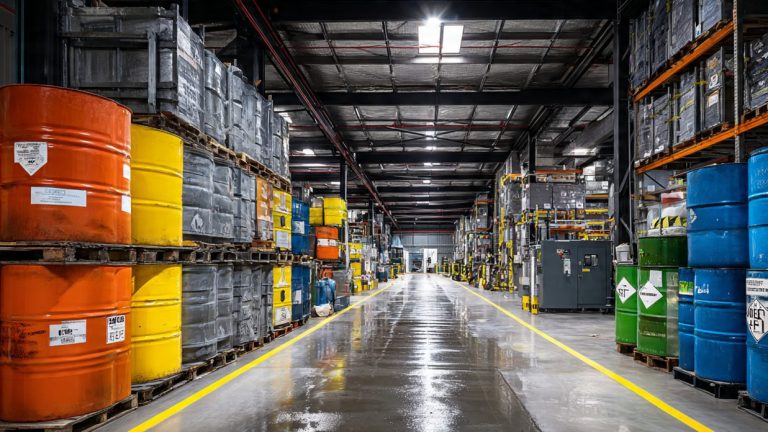
Hazardous waste drums staged for shipment

Exporting, importing, or transiting hazardous or controlled waste across UAE and GCC borders is strictly governed by the Basel Convention on the Control of Transboundary Movements of Hazardous Wastes and UAE Federal Law No. (12) of 2018 (Articles 10–12). Importing hazardous waste for final disposal in the UAE is prohibited, while exporting hazardous waste (such as spent catalysts, e-waste circuit boards, or lead-acid battery paste) for specialised recovery requires Prior Informed Consent (PIC), MOCCAE permits, and financial insurance.

Generator Duty of Care, Statutory Record-Keeping and Enforcement Penalties Across the UAE and GCC

Site worker completing a sign-out log

Under UAE Federal Law No. (12) of 2018 (Articles 7–15), Dubai Law No. (18) of 2024, and Saudi Arabia's Waste Management Law, the legal 'Duty of Care' rests with the waste generator from the moment a material is discarded until its final permitted recovery or disposal is verified. Breaches carry administrative fines up to AED 1,000,000 under UAE federal law (and up to SAR 30,000,000 in Saudi Arabia), plus mandatory site remediation at the polluter's expense.

Waste Carrier Licensing & Electronic Manifest Systems in the GCC: Bolisaty, Rasid and MWAN

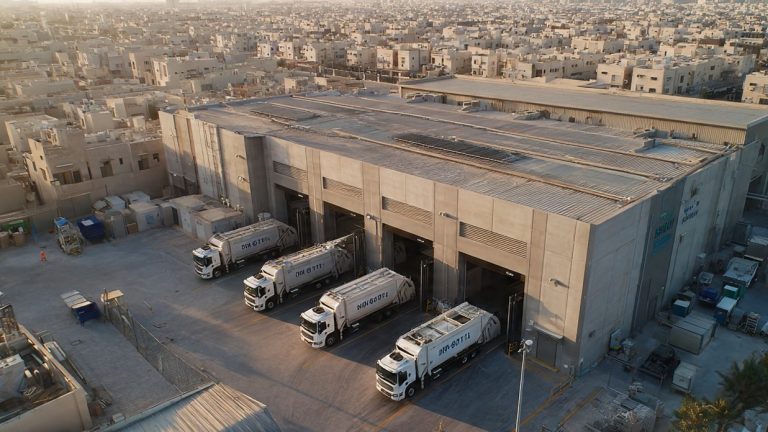
Aerial view of a waste collection vehicle depot

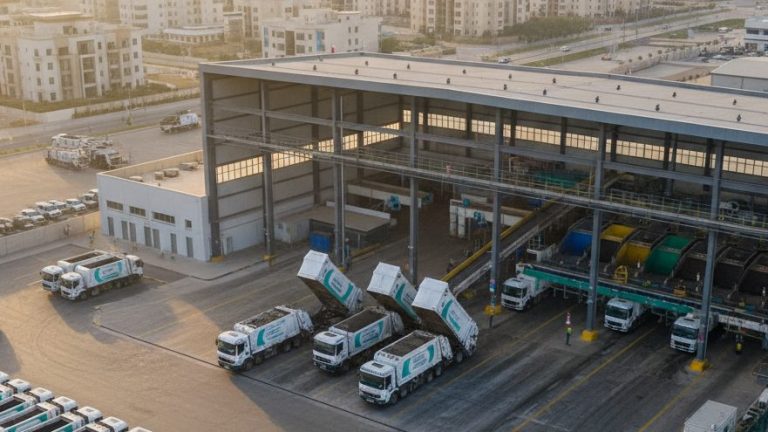
Across the UAE and GCC, transporting waste without an active carrier permit and real-time GPS vehicle tracking is a strict-liability regulatory offence. Electronic manifest platforms—including Abu Dhabi's Bolisaty, Dubai Municipality's Rasid/WDS, Sharjah BEEAH's portal, and Saudi Arabia's MWAN national platform—digitally link the waste generator, licensed transporter, and permitted treatment or disposal facility.

UAE Climate Law (FDL 11/2024) & Single-Use Plastics Mandate (MR 380/2022): Waste Sector Obligations

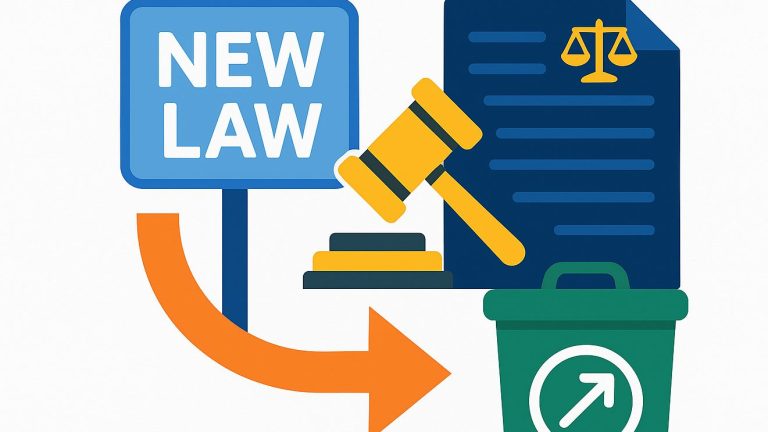
New law sign beside a recycling bin

Two federal instruments directly bind waste generators and operators across the UAE (including all free zones): Federal Decree-Law No. (11) of 2024 on the Reduction of Climate Change Effects—whose one-year compliance transition ended on 30 May 2026—requires entities to measure, report, and verify (MRV) greenhouse gas emissions; and Ministerial Resolution No. (380) of 2022 completed its Phase 2 prohibition on single-use plastic products on 1 January 2026.

Sharjah, Ajman & Northern Emirates Waste Regulation: EPAA, Bee’ah, Ajman Municipality and RAK/Fujairah

Waste depot with collection vehicles loading

Across Sharjah, Ajman, Ras Al Khaimah, Fujairah, and Umm Al Quwain, Federal Law No. (12) of 2018 and Cabinet Resolution No. (39) of 2021 provide the statutory baseline, while local municipalities and environmental authorities govern collection, permitting, and treatment infrastructure. Sharjah leads regional diversion (~90%+) through BEEAH Group's Al Saja'a integrated complex and the Sharjah Waste-to-Energy plant.

Dubai Waste Regulation & Compliance: Law No. (18) of 2024, Gate Fees and DM Rasid Tracking

Waste facility serving a dense urban district

Dubai Law No. (18) of 2024 Regulating Waste Management in the Emirate of Dubai establishes Dubai Municipality (through its Waste and Sewerage Agency) as the primary competent authority governing waste generation, permitting, source segregation, and disposal. It is supported by Executive Council Resolution No. (58) of 2017 on waste disposal fees, Executive Council Resolution No. (124) of 2023 on single-use product bans, and mandatory GPS/electronic consignment tracking via the Dubai Municipality accreditation system.

Abu Dhabi Waste Regulation & Permitting: EAD Licensing, Bolisaty E-Manifests and Tadweer Group

Aerial view of an urban waste handling depot

In the Emirate of Abu Dhabi, the Environment Agency – Abu Dhabi (EAD) is the competent regulatory authority responsible for environmental licensing, inspection, and enforcement across all waste activities, while Tadweer Group (established under Law No. 20 of 2023) operates public waste infrastructure, collection contracts, and landfill access permitting. All commercial, industrial, and construction waste movements must be tracked electronically through the Bolisaty manifest system by EAD-licensed waste service providers.